What Is Lock Snapping and How Do I Prevent It?
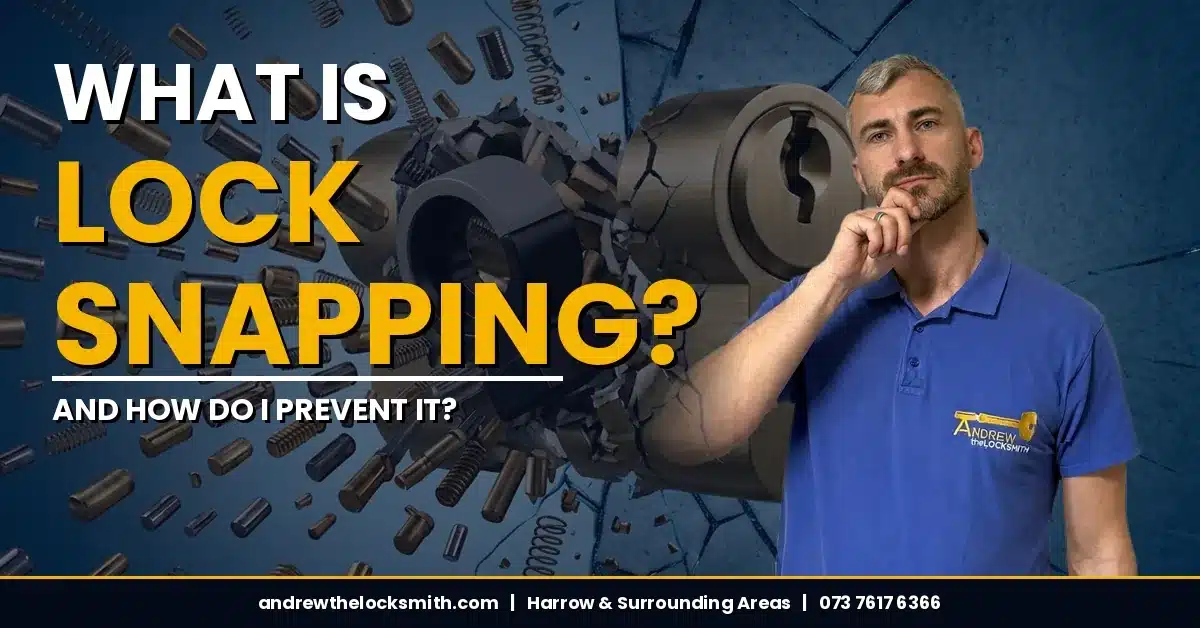
Lock snapping is when a burglar physically breaks off part of your euro cylinder lock to bypass it completely. It’s fast, it’s quiet, and it works on the majority of front doors in the UK right now including most in Harrow.
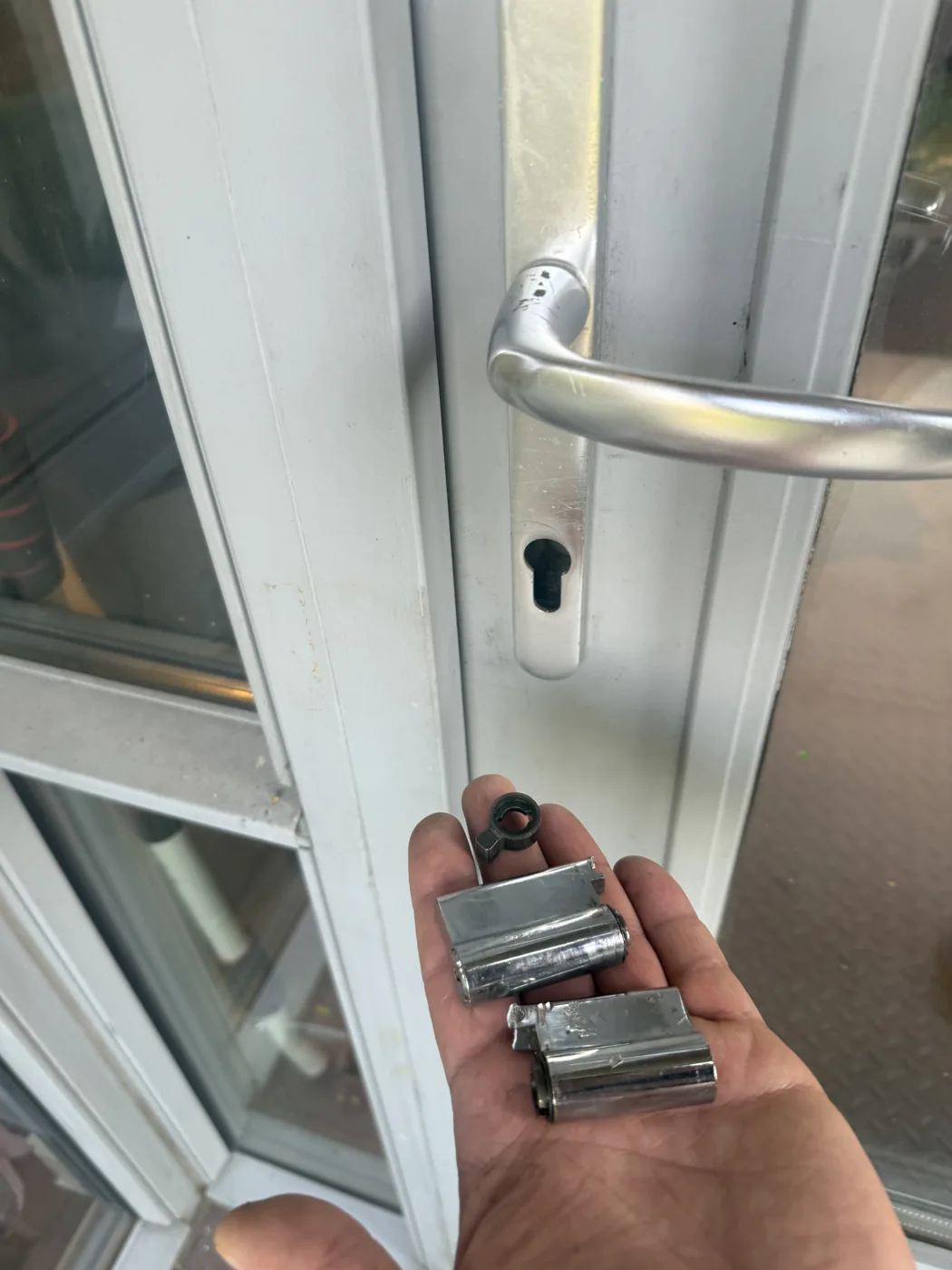
I had a call from a family in South Harrow a while back. They hadn’t been locked out – they’d been burgled.
The back door had a standard euro cylinder lock. Nothing fancy, nothing terrible – just the lock that came fitted when the uPVC door was installed. They locked that door every single night. They thought they were safe.
A burglar snapped it in seconds and walked straight in.
When I arrived, the outer section of the cylinder was on the floor. The rest of the lock was still in the door, technically intact, but completely useless. The whole attack would have taken under a minute.
The family had no idea lock snapping existed. Neither, they told me, did most of their neighbours. That’s the problem. It’s one of the most common burglary methods in the UK, and it barely gets talked about.
What exactly is a euro cylinder lock?
It’s the lock you’ll find on the vast majority of uPVC door, the type where you put the key in the middle and turn it. Standard on most front and back doors fitted in the last 20 years. Practical, affordable, and, in its basic form, surprisingly easy to defeat.
How does lock snapping work?
Your basic euro cylinder has a weak point. It’s not a secret, it’s just how they’re manufactured. If you apply enough force to the exposed part of the cylinder (the bit that protrudes beyond the door), it snaps at that weak point. Once the outer section breaks off, the internal mechanism is exposed. At that point, you can operate the lock with a flathead screwdriver.
No lockpicking, No specialist knowledge, No alarm triggered. Just a pair of pliers, 30 seconds, and an ordinary front door.
The technique requires so little skill that it’s genuinely a problem because it means any opportunist can attempt it, not just experienced criminals.
How common is it?
Less common than it used to be, and that’s the interesting part. At its peak, snapping was behind around a quarter of domestic burglaries in England and Wales. Then the anti-snap standards arrived, Sold Secure Diamond in 2011 and TS007 in 2012 to 2013, and recorded lock snapping fell to under 10%. The standard worked. The catch is that it only worked for the homes that actually had a better cylinder fitted, and plenty around here still haven’t. I’ve put the full numbers and the sources on my Burglary in Harrow page.
How do I know if my door is vulnerable for lock snapping?
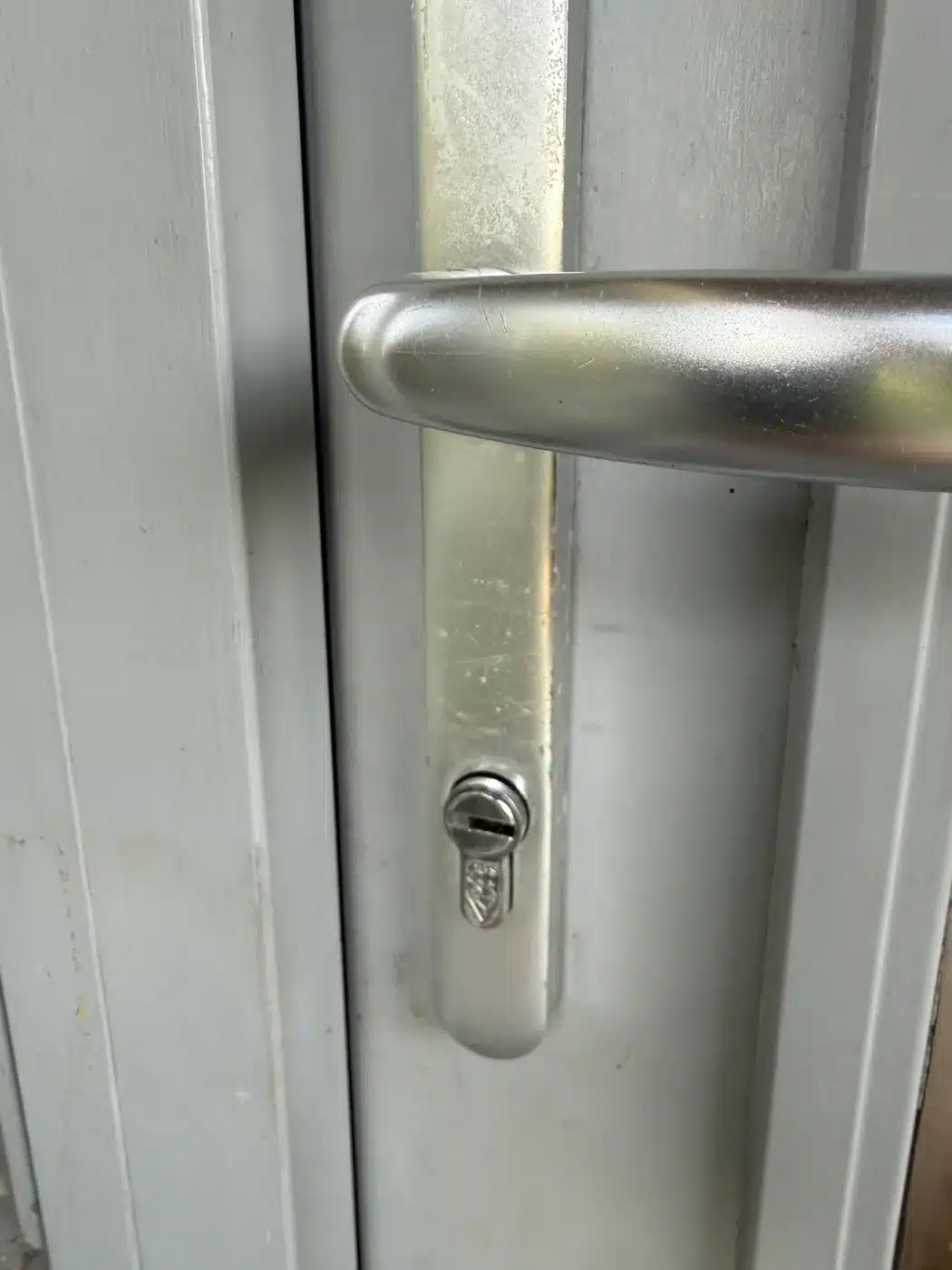
Check your front door. If it has a euro cylinder (key goes in the center), look at how far it protrudes from the door face, if any part of the cylinder sticks out beyond the surface even 2 or 3 millimeters there’s enough there for a burglar to grip and snap.
If you bought your uPVC door from a standard supplier and haven’t had the lock upgraded, the odds are good it’s a basic cylinder with no anti-snap protection.
So what’s the fix?
Upgrade to an anti-snap cylinder. It’s genuinely that straightforward.
Anti-snap cylinders are designed with a deliberate sacrificial section. When force is applied, that outer section breaks, but instead of exposing the mechanism, the internal workings stay protected. The door stays locked. The attack fails and the burglar moves on.
When you’re choosing one, look for these two ratings:
TS007 3-star – the British Kitemark standard. Three stars means it’s been independently tested against snapping, picking, bumping, and drilling. The highest level.
SS312 Diamond Standard – the insurance industry’s own benchmark. Worth checking your specific policy, but a lock with this rating will usually satisfy most insurers’ requirements.
One thing most people miss: the cylinder length matters too. If it’s too long, sticking out too far on either side, you’ve actually made the problem worse, because there’s more leverage available to the attacker. Getting the right size fitted correctly is part of the job, not an afterthought.
ANDREW‘S ADVICE
A lot of locksmiths will turn up to a job like the one in South Harrow, replace the snapped cylinder with another basic cylinder, and call it done. New lock sold. Job closed.
That’s not solving the problem that’s recreating it.
My advice is simple: if you’ve got a standard euro cylinder on any external door, get it assessed. Not because I want to sell you a lock, but because a £60–£80 upgrade is a significantly better option than the alternative.
I’m not in the business of selling locks. I’m in the business of solving problems and this one has a straightforward solution.
If you’re not sure whether your lock is vulnerable, I’m happy to take a look. I’m based in Harrow and cover the surrounding areas, with no call-out fee.
Call Andrew: 073 7617 6366
Or contact me at: https://andrewthelocksmith.com/contact-andrew-the-locksmith
Andrew the Locksmith is a Master Locksmiths Association member serving Harrow, South Harrow, North Harrow, Pinner, Wembley, Watford, and surrounding areas